Optimizing HVAC Efficiency: A Guide to Air Handler Maintenance
Delve into the realm of air handler maintenance, a crucial aspect of HVAC systems that often goes unnoticed. This guide aims to shed light on the importance of regular upkeep, potential risks of neglect, and essential maintenance tasks required for optimal performance.
Explore the components that demand attention, the frequency at which maintenance should be conducted, and the telltale signs indicating when intervention is necessary. Equip yourself with the knowledge needed to keep your air handler running smoothly and efficiently.
Importance of Air Handler Maintenance
Regular maintenance of air handlers in HVAC systems is crucial to ensure optimal performance and longevity of the system. Neglecting proper maintenance can lead to a variety of issues that can impact both air quality and energy efficiency.
Impact on Air Quality
Failure to maintain air handlers can result in a buildup of dust, dirt, and other contaminants within the system. This can circulate throughout the space, leading to poor indoor air quality and potential health issues for occupants. Regular maintenance, such as changing filters and cleaning components, is essential to prevent these issues.
Impact on Energy Efficiency
When air handlers are not properly maintained, they can become clogged or dirty, causing the system to work harder to maintain the desired temperature. This increased workload can lead to higher energy consumption and ultimately higher utility bills. By ensuring regular maintenance, such as lubricating moving parts and checking for leaks, the system can operate more efficiently and cost-effectively.
Potential Risks
Failing to maintain air handlers can also pose safety risks, such as the potential for electrical malfunctions or even fires. Additionally, poor air quality resulting from neglected maintenance can exacerbate respiratory issues and allergies for occupants. By prioritizing regular maintenance of air handlers, these risks can be mitigated, ensuring a safe and comfortable indoor environment.
Components of Air Handler Maintenance
Regular maintenance of an air handler is essential to ensure optimal performance and efficiency. Let's delve into the key components that require attention for proper maintenance.
1. Air Filters
Air filters in an air handler need regular cleaning and inspection to ensure good indoor air quality. Clogged filters can restrict airflow, reducing efficiency and causing strain on the system.
- Remove and clean or replace filters as recommended by the manufacturer.
- Inspect filters monthly and replace them if they appear dirty or clogged.
- Regularly vacuum or dust the filter housing to prevent debris from entering the system.
2. Fan Blades, Belts, and Motors
The fan blades, belts, and motors play a crucial role in the operation of an air handler. Regular maintenance of these components is necessary to prevent breakdowns and ensure smooth operation.
- Inspect fan blades for any signs of wear or damage and clean them if necessary.
- Check belts for proper tension and replace them if they show signs of wear or cracking.
- Lubricate motor bearings as per manufacturer's guidelines to prevent friction and overheating.
Frequency of Maintenance
Regular maintenance of air handlers is crucial to ensure optimal performance and prolong the lifespan of the equipment. Here are some guidelines on how often air handler maintenance should be performed, factors that may influence the frequency of maintenance, and recommendations for scheduling routine maintenance checks.
Guidelines for Frequency of Maintenance
- It is recommended to perform routine maintenance on air handlers at least twice a year.
- In environments with high dust or pollutant levels, more frequent maintenance may be necessary to prevent buildup and ensure efficiency.
- For air handlers used in commercial or industrial settings, monthly maintenance checks are advisable to address heavy usage.
Factors Influencing Maintenance Frequency
- Usage Patterns: Air handlers that run constantly or are subjected to heavy usage may require more frequent maintenance to prevent wear and tear.
- Environmental Conditions: Air handlers operating in dusty or humid environments may accumulate debris faster, necessitating more frequent cleaning and maintenance.
- Age of Equipment: Older air handlers may require more frequent maintenance to address potential issues and ensure efficient operation.
Recommendations for Scheduling Maintenance Checks
- Develop a maintenance schedule based on the manufacturer's recommendations and the specific requirements of your air handler.
- Consider creating a maintenance checklist to ensure all necessary tasks are completed during each maintenance check.
- Work with a professional HVAC technician to schedule regular maintenance checks and address any potential issues promptly.
DIY Maintenance vs. Professional Service
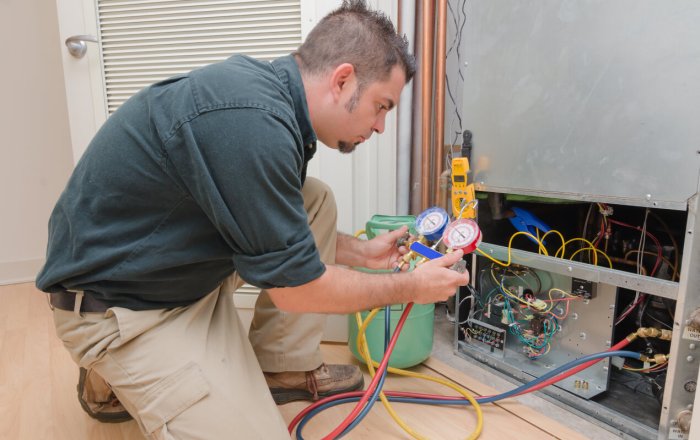
When it comes to air handler maintenance, homeowners often wonder whether they should tackle the tasks themselves or hire a professional service. Both options have their own set of benefits and drawbacks that should be considered.DIY maintenance can save money and give homeowners a sense of control over the upkeep of their air handler.
Simple tasks like changing air filters, cleaning coils, and inspecting ductwork can usually be safely performed by homeowners with basic tools and knowledge. This regular maintenance can help improve the efficiency and lifespan of the air handler.On the other hand, professional servicing ensures that maintenance tasks are done thoroughly and correctly.
Technicians have the expertise and specialized tools to identify and address any issues that may not be apparent to homeowners. They can also perform more complex tasks like lubricating moving parts, checking refrigerant levels, and testing the overall performance of the system.
Simple DIY Maintenance Tasks
- Regularly replacing air filters to ensure proper airflow and prevent dust buildup.
- Cleaning evaporator and condenser coils to maintain efficiency and prevent overheating.
- Inspecting ductwork for leaks, gaps, or blockages that could affect airflow.
When to Hire a Professional
- When the air handler is making unusual noises or emitting strange odors.
- If there is a sudden decrease in airflow or cooling/heating performance.
- For tasks that require specialized tools or technical knowledge, such as refrigerant level checks or electrical component testing.
Signs of Air Handler Issues
Proper maintenance of your air handler is crucial to ensure it functions efficiently. Here are common indicators that suggest your air handler may require maintenance or repairs:
Unusual Noises
Strange noises such as banging, rattling, or squealing coming from your air handler can indicate underlying issues. These noises may be caused by loose components, worn-out belts, or motor problems. If you hear any unusual sounds, it's essential to address them promptly to prevent further damage.
Reduced Airflow
If you notice a decrease in airflow from your vents, it could be a sign that your air handler is not functioning properly. This could be due to clogged filters, ductwork issues, or a malfunctioning blower motor. Poor airflow can lead to uneven heating or cooling in your home and should be investigated immediately.
Strange Odors
Unpleasant odors, such as musty or burning smells, coming from your air handler can indicate mold growth, overheating components, or electrical issues. Ignoring these odors can impact your indoor air quality and pose health risks. It's important to address any strange smells coming from your air handler promptly.
By being aware of these signs, homeowners can troubleshoot potential air handler issues early and prevent costly repairs or breakdowns.
Final Conclusion
In conclusion, maintaining your air handler is not just about functionality; it's about ensuring clean air quality and energy efficiency in your living spaces. By staying proactive and attentive to your system's needs, you can avoid costly repairs and enjoy a comfortable indoor environment year-round.
Expert Answers
How often should air handler maintenance be performed?
Maintenance should ideally be done at least twice a year, preferably before the start of the cooling and heating seasons.
What are the benefits of hiring a professional for air handler maintenance?
Professionals have the expertise to identify potential issues early on, ensuring optimal performance and extending the lifespan of your system.
What are some common signs that indicate air handler issues?
Unusual noises, reduced airflow, and foul odors are common indicators that your air handler may need attention.