Optimizing Your HVAC System: The Ultimate Guide to Heating and Cooling Maintenance Service
With heating and cooling maintenance service at the forefront, this guide delves into the essential aspects of keeping your HVAC system running smoothly. From the importance of regular maintenance to DIY tips for homeowners, this comprehensive overview covers everything you need to know.
Exploring the key components and frequency of maintenance, this guide aims to empower you with knowledge to ensure your system operates efficiently year-round.
Importance of Heating and Cooling Maintenance Service
Regular maintenance of heating and cooling systems is crucial to ensure they function efficiently and effectively. Neglecting maintenance can lead to a host of issues that can impact both the performance of the system and the comfort of your home or business.
Potential Issues from Neglected Maintenance
- Decreased energy efficiency, leading to higher utility bills.
- Poor indoor air quality due to dust and debris buildup.
- Increased risk of system breakdowns and costly repairs.
- Shortened lifespan of the HVAC system.
Benefits of Proactive Maintenance
- Improved energy efficiency, saving money on utility bills in the long run.
- Enhanced indoor air quality, creating a healthier living or working environment.
- Reduced likelihood of unexpected breakdowns, minimizing inconvenience and costly repairs.
- Extended lifespan of the HVAC system, maximizing your investment.
Components of a Comprehensive Maintenance Service
Regular maintenance of your heating and cooling system is crucial to ensure efficiency, longevity, and safety. A comprehensive maintenance service should include the following key components:
Inspecting and Cleaning HVAC Filters
- Regularly inspecting and cleaning HVAC filters is essential to maintain proper airflow and indoor air quality.
- Dirty filters can restrict airflow, causing the system to work harder and consume more energy.
- Clean filters also help prevent dust, dirt, and other particles from circulating in your home, improving air quality and reducing allergies.
Checking and Adjusting Thermostat Settings
- Checking and adjusting thermostat settings ensures that your heating and cooling system operates efficiently and maintains optimal comfort levels.
- Setting the thermostat to appropriate temperatures can help reduce energy consumption and lower utility bills.
- Regularly checking and calibrating the thermostat also helps prevent temperature fluctuations and maintain consistent comfort throughout your home.
Frequency and Timing of Maintenance Service
Regular maintenance is crucial for keeping heating and cooling systems running efficiently and extending their lifespan. Let's explore the recommendations for servicing frequency and timing to ensure optimal performance.
Frequency of Maintenance
- It is generally recommended to have heating and cooling systems serviced at least once a year.
- For optimal performance, consider scheduling maintenance twice a year, ideally before the start of each major season - spring for cooling systems and fall for heating systems.
- Older systems or those in high-usage environments may benefit from more frequent maintenance, such as quarterly check-ups.
Timing of Maintenance
- Scheduling maintenance before the peak season ensures that your system is ready to handle the demands of that season.
- For cooling systems, spring maintenance can help identify and address any issues before the hot summer months.
- Similarly, fall maintenance for heating systems can ensure they are operating efficiently before the cold winter sets in.
Seasonal vs. Annual Maintenance
- Seasonal maintenance allows for a more focused approach, addressing specific needs based on upcoming weather conditions.
- Annual maintenance provides a comprehensive check-up of the entire system, including components that may not be season-specific.
- Combining both seasonal and annual maintenance can provide the best of both worlds, ensuring thorough inspections and targeted adjustments as needed.
DIY Maintenance Tips for Homeowners
Maintaining your heating and cooling systems in between professional services is crucial to ensure they operate efficiently and last longer. Here are some practical tips for homeowners to follow:
Cleaning Air Ducts and Vents Effectively
Regular cleaning of air ducts and vents is essential to prevent dust and debris buildup, which can affect air quality and system efficiency. Here's how you can effectively clean them:
- Use a vacuum with a brush attachment to remove dust and debris from vents.
- For air ducts, consider hiring a professional duct cleaning service for a thorough cleaning.
- Change or clean air filters regularly to maintain proper airflow.
Regular Visual Inspections for Signs of Wear and Tear
Performing regular visual inspections of your heating and cooling system can help you identify potential issues early on. Here are some signs of wear and tear to look out for:
- Check for leaks or corrosion in pipes and connections.
- Inspect the condition of belts and pulleys for any signs of damage.
- Look for any unusual noises or smells coming from the system.
Closing Summary
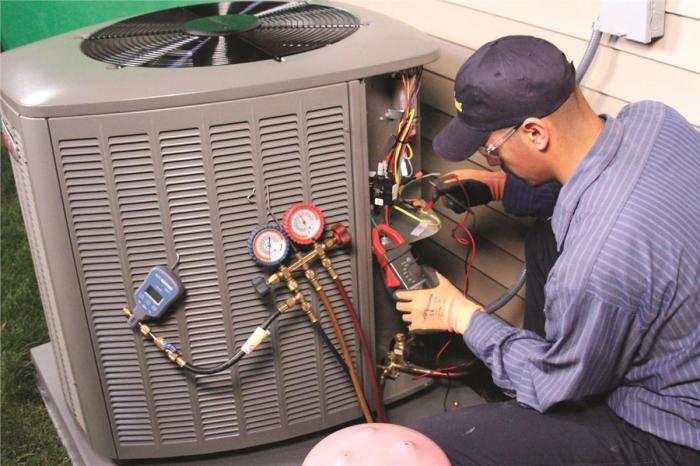
In conclusion, maintaining your heating and cooling system is not just about comfort—it's about prolonging the lifespan of your HVAC unit and saving on energy costs. By following the tips and guidelines Artikeld in this guide, you can enjoy a well-functioning system for years to come.
Q&A
How often should I service my HVAC system?
It is recommended to have your HVAC system serviced at least once a year to ensure optimal performance.
Why is cleaning air ducts important?
Cleaning air ducts helps improve indoor air quality and the efficiency of your HVAC system.
What are the benefits of seasonal maintenance?
Seasonal maintenance helps prepare your HVAC system for the upcoming weather changes and ensures it operates smoothly.
How can homeowners inspect HVAC systems for signs of wear?
Homeowners can visually inspect their HVAC system for any unusual sounds, leaks, or reduced airflow as signs of wear and tear.