Enhancing Indoor Comfort and Air Quality with HVAC R Services
As we delve into the realm of HVAC R services, we uncover a crucial aspect of modern living that impacts our daily comfort and well-being. From heating to air conditioning, ventilation to refrigeration, these services play a pivotal role in maintaining optimal indoor conditions.
Let's explore the intricacies of HVAC R systems and their significance in our lives.
Overview of HVAC R Services
HVAC R services refer to heating, ventilation, air conditioning, and refrigeration services that are essential for maintaining indoor air quality and comfort in residential, commercial, and industrial settings.
These services play a crucial role in regulating temperature, humidity levels, and air circulation to create a healthy and comfortable environment for occupants. Proper HVAC R maintenance helps prevent issues such as mold growth, poor air quality, and discomfort due to extreme temperatures.
Typical Components of HVAC R Services
- Heating Systems: This includes furnaces, boilers, and heat pumps that provide warmth during colder months.
- Ventilation Systems: These systems ensure proper air circulation by exchanging stale indoor air with fresh outdoor air.
- Air Conditioning Systems: Consisting of central air conditioning units or split systems, these help cool indoor spaces during hot weather.
- Refrigeration Systems: Used primarily in commercial settings, refrigeration systems are essential for preserving perishable goods at specific temperatures.
- Ductwork: Ducts are used to distribute heated or cooled air throughout a building efficiently.
- Thermostats and Controls: These devices regulate temperature settings and ensure optimal performance of HVAC R systems.
Types of HVAC R Systems
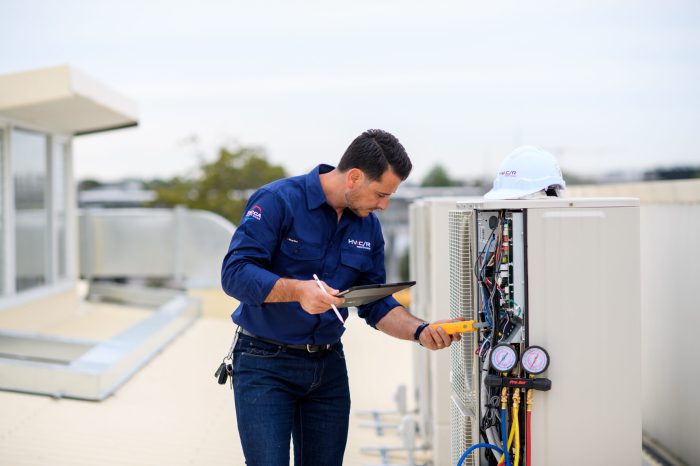
Residential and commercial HVAC R systems differ in their size, capacity, and complexity. Centralized and decentralized systems offer unique advantages and disadvantages, depending on the specific needs of a building. Additionally, HVAC R systems vary in energy efficiency and technology, providing different levels of comfort and cost-effectiveness.
Residential vs. Commercial HVAC R Systems
Residential HVAC R systems are designed for single-family homes or small multi-family buildings, focusing on individual comfort and energy efficiency. On the other hand, commercial HVAC R systems are tailored for larger buildings such as offices, malls, or hospitals, with a higher capacity to regulate temperature and air quality for a large number of occupants.
Centralized vs. Decentralized HVAC R Systems
Centralized HVAC R systems use a single unit to heat or cool an entire building through a network of ducts or pipes. This system allows for centralized control and maintenance but may lead to energy wastage in unused areas. Decentralized systems, like split or ductless systems, provide independent control over individual zones, offering energy savings and customized comfort but requiring more maintenance.
Types of HVAC R Systems based on Energy Efficiency and Technology
- Traditional HVAC Systems: These systems use a combination of a furnace and air conditioner to heat and cool the air. They are cost-effective but may have lower energy efficiency.
- Heat Pumps: Heat pumps can both heat and cool a space by transferring heat between the indoors and outdoors. They are highly energy-efficient but may be more expensive upfront.
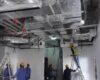
- Variable Refrigerant Flow (VRF) Systems: VRF systems use refrigerant to heat or cool multiple zones simultaneously, offering precise control and energy savings. They are ideal for commercial buildings with varying heating and cooling needs.
- Geothermal HVAC Systems: Geothermal systems use the earth's constant temperature to heat and cool a building, providing high energy efficiency and long-term cost savings. However, they require a significant upfront investment.
HVAC R Installation Process
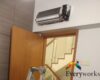
When it comes to installing a new HVAC R system, several crucial steps need to be followed to ensure efficient operation and longevity of the equipment. Proper sizing and placement of the HVAC R equipment play a significant role in the overall performance and energy efficiency of the system.
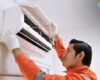
HVAC R technicians are essential in overseeing the installation process to guarantee that everything is set up correctly and according to industry standards.
Importance of Proper Sizing and Placement
Proper sizing and placement of HVAC R equipment are vital to ensure optimal performance and energy efficiency. If the equipment is too large or too small for the space it is intended to heat or cool, it can lead to inefficiencies, increased energy consumption, and premature wear and tear on the system.
HVAC R technicians are trained to perform load calculations to determine the correct size of equipment needed for a specific area and to identify the best location for installation.
- Improper sizing can result in frequent cycling of the system, leading to increased energy costs and reduced comfort levels.
- Incorrect placement of HVAC R equipment can obstruct airflow, causing uneven heating or cooling throughout the space.
- Proper sizing and placement ensure that the system operates efficiently, resulting in lower energy bills and extended equipment lifespan.
Role of HVAC R Technicians
HVAC R technicians play a crucial role in the installation process by ensuring that the equipment is installed correctly and functions optimally. Their responsibilities include:
- Performing load calculations to determine the appropriate size of HVAC R equipment needed.
- Installing the equipment according to manufacturer specifications and industry standards.
- Testing the system to ensure proper operation and performance.
- Providing maintenance recommendations to keep the system running smoothly.
HVAC R Maintenance and Repair
Regular maintenance and timely repairs are crucial for the optimal performance and longevity of HVAC R systems. Neglecting maintenance can lead to decreased efficiency, higher energy bills, and even system failures. Here are some tips for maintaining and repairing HVAC R systems:
Importance of Regular Maintenance
- Regular maintenance helps ensure that the HVAC R system operates efficiently, reducing energy consumption and lowering utility bills.
- Proper maintenance can prolong the lifespan of the system, saving money on costly replacements.
- Regular inspections can identify minor issues before they escalate into major problems, preventing sudden breakdowns.
Tips for Troubleshooting Common HVAC R Issues
- Clean or replace air filters regularly to maintain airflow and prevent strain on the system.
- Check thermostat settings to ensure they are correct and optimize energy usage.
- Inspect ductwork for leaks or blockages that can affect the system's performance.
- Listen for unusual noises or odors coming from the system, which could indicate underlying issues.
Significance of Timely Repairs
- Timely repairs can prevent small problems from worsening and causing system failures.
- Addressing issues promptly can improve the overall efficiency and performance of the HVAC R system.
- Regular maintenance combined with timely repairs can extend the lifespan of the system and save money in the long run.
Energy Efficiency in HVAC R Systems
Energy efficiency plays a crucial role in reducing utility bills and environmental impact. HVAC R systems are a significant contributor to energy consumption in buildings, making it essential to optimize their efficiency.
Impact of Energy-Efficient HVAC R Systems on Utility Bills
Energy-efficient HVAC R systems can lead to significant cost savings on utility bills. By reducing energy consumption, these systems help lower overall operating costs for residential and commercial buildings.
- Proper insulation and sealing of ducts can prevent energy loss and improve system efficiency.
- Variable speed motors and smart thermostats help optimize energy usage based on specific needs and preferences.
- High-efficiency filters and regular maintenance ensure optimal system performance, reducing energy waste.
Role of HVAC R Services in Optimizing Energy Consumption
HVAC R services play a crucial role in optimizing energy consumption by ensuring that systems operate efficiently and effectively. Regular maintenance and timely repairs help prevent energy waste and improve overall system performance.
- Professional HVAC R technicians can identify and address issues that impact energy efficiency, such as air leaks, dirty filters, or malfunctioning components.
- Upgrading to energy-efficient equipment and implementing smart technologies can further enhance the efficiency of HVAC R systems.
Examples of Energy-Saving Technologies Used in Modern HVAC R Systems
Modern HVAC R systems incorporate various energy-saving technologies to improve efficiency and reduce energy consumption. These technologies help optimize performance while minimizing environmental impact.
- Variable refrigerant flow (VRF) systems adjust cooling and heating output based on building demand, improving energy efficiency.
- Geothermal heat pumps utilize renewable energy from the ground to heat and cool buildings efficiently.
- Ductless mini-split systems offer zone control and targeted cooling, reducing energy waste in unused spaces.
Environmental Impact of HVAC R Services
When it comes to HVAC R systems, it's crucial to consider the environmental impact they have. These systems can significantly contribute to greenhouse gas emissions and energy consumption, which in turn affect our planet. Understanding the environmental considerations associated with HVAC R services is key to implementing sustainable practices and reducing our carbon footprint.
Potential for Refrigerant Leaks
Refrigerant leaks are a major concern when it comes to HVAC R systems. These leaks can release harmful chemicals into the atmosphere, contributing to ozone depletion and climate change. It is essential for HVAC R service providers to be vigilant in detecting and repairing any refrigerant leaks to minimize their environmental impact.
Sustainable Practices in HVAC R Services
- Utilizing eco-friendly refrigerants: Opting for refrigerants with lower global warming potential can significantly reduce the environmental impact of HVAC R systems.
- Proper system maintenance: Regular maintenance not only ensures optimal system performance but also prevents leaks and reduces energy consumption.
- Energy-efficient upgrades: Installing energy-efficient components and systems can help lower energy consumption and decrease greenhouse gas emissions.
- Recycling and responsible disposal: Properly disposing of old equipment and recycling components can minimize waste and promote sustainability in HVAC R services.
Final Review
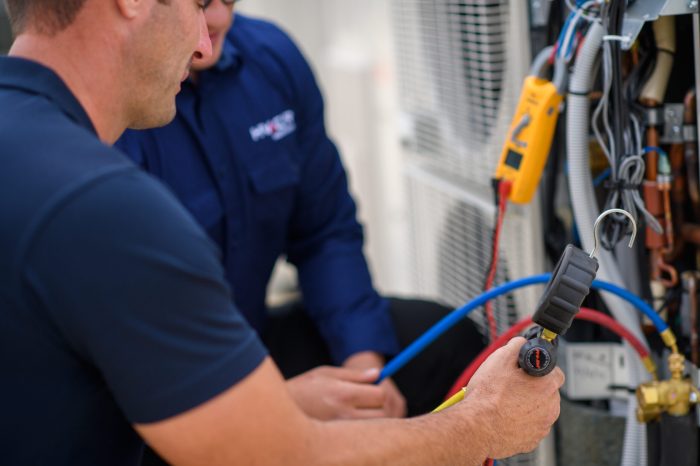
In conclusion, HVAC R services are not just about temperature control; they are about creating environments that promote health, comfort, and efficiency. By understanding the nuances of HVAC R systems, we can make informed decisions to enhance our quality of life.
Essential FAQs
How often should HVAC R systems be maintained?
It is recommended to have HVAC R systems serviced at least once a year to ensure optimal performance and longevity.
What are the common signs that indicate HVAC R system issues?
Unusual noises, inconsistent temperatures, and increased energy bills are often indicators of potential problems in HVAC R systems.
Can HVAC R services help reduce energy consumption?
Yes, by optimizing HVAC R systems and using energy-efficient technologies, it is possible to reduce energy consumption and lower utility bills.